
You’ll craft vegan funnel cakes by swapping dairy milk for almond or oat alternatives, blending your chosen flour (self-rising or all-purpose plus baking powder) with a splash of lemon juice and vanilla for fragrant depth.
After resting the batter ten to fifteen minutes to let bubbles bloom, you’ll pipe spirals through a squeeze bottle into 350–375°F oil, flipping when amber ridges form.
The batter’s ribbon-like flow creates your golden foundation, with crisp edges giving way to tender centers beneath powdered sugar or coconut whipped cream.
Mastering this spiral technique produces fair-worthy results.
Make Vegan Funnel Cake That Tastes Like the Fair
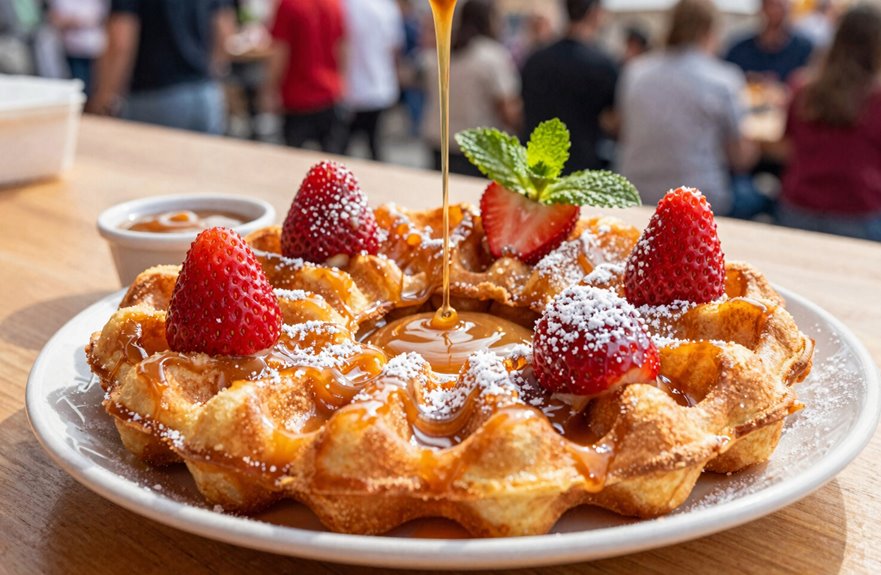
Why settle for watching others enjoy fair food when you can craft your own vegan funnel cake that rivals any carnival vendor. You’ll begin by preparing your vegan batter, whisking until it reaches a smooth, pancake-like consistency that delivers that iconic airy interior. Let it rest briefly, then transfer the mixture into a squeeze bottle for precise control. Heat your oil and fry at 350–375°F, piping the batter in circular, overlapping swirls that transform into golden, crispy-edged clouds. Flip carefully, watching for that perfect amber hue. Drain briefly, then coat your creation with powdered sugar while it’s still warm, the sweet dust settling like fresh snow. You’re not just making dessert; you’re creating a fair experience one swirl at a time.

High quality Adjustable Chocolate Funnel for Baking Cake Decorating Tools.

Hty Cake, Original Asian Funnel , 2.65 Ounce
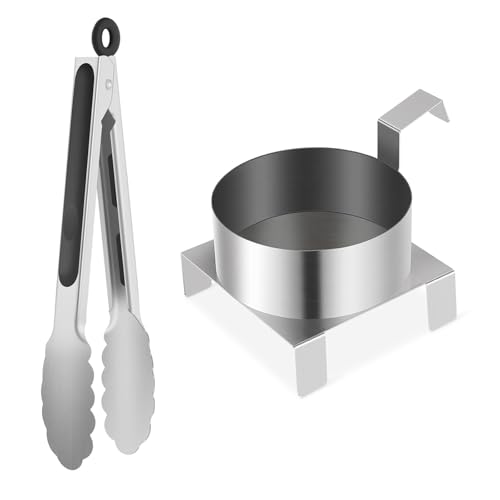
Convenient Size for Any Kitchen: the 6-inch funnel cake mold ring is ideal for making generously sized treats, while the 9-inch food clip provides maximum utility; Practically sized to fit standard kitchen tools
5 Simple Ingredients for Vegan Funnel Cake
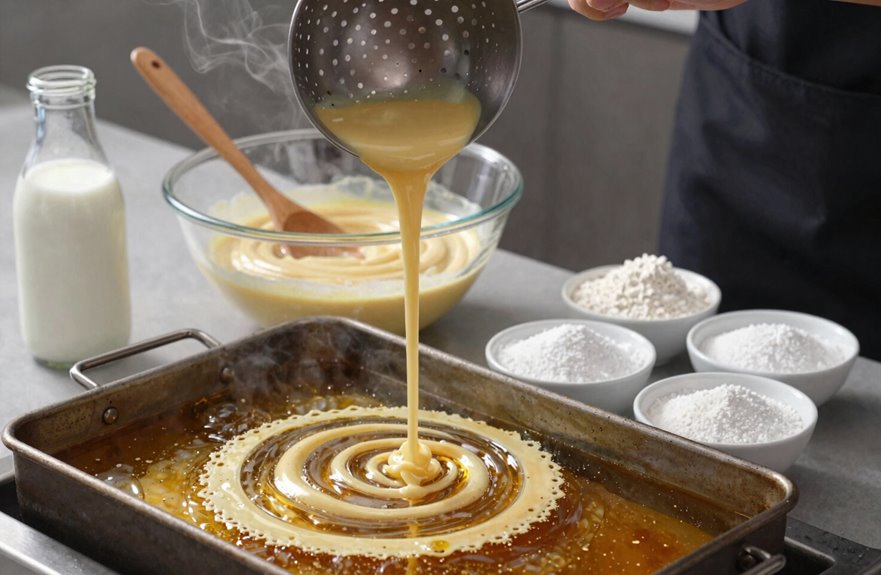
You’ll craft your vegan funnel cake foundation by mastering three pivotal choices that transform humble pantry staples into golden, crispy perfection. Selecting the right flour, whether all-purpose for reliability or a delicate blend of pastry flour for tenderness, sets the structural stage, while your milk alternative, from creamy oat to nutty almond, carries fat and flavor through every strand of batter. Your leavening agent, that chemical alchemist of the fryer, demands equal attention. Baking powder reigns supreme here; its double-acting magic releases carbon dioxide twice, once when wet and again when hot, to create the airy, lattice-like interior that distinguishes carnival-worthy funnel cakes from sad, doughy pretenders.

1.Large 1000ml Capacity: Our Pancake Batter Dispenser Bottle features a generous 1000ml capacity, designed for optimal operation. The flexible body allows for easy grip and control over the batter amount, ensuring mess-free pouring every time.

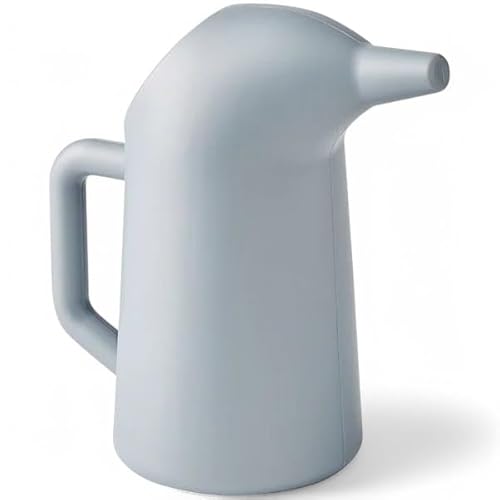
9.6 ounces including pitcher and batter

The pancake batter dispenser is made of stainless steel, you can use it for a long time, 20oz (600ml)
Flour Selection Tips
What separates a forgettable funnel cake from one that achieves that coveted balance of crisp exterior and tender, cloud-like interior? You’ll find the answer in your flour choice, the foundation of vegan funnel cake. Reach for self-rising flour, your shortcut to airy perfection. Its leavening agents are already woven into the mix like hidden springs waiting to release. If your pantry holds only all-purpose flour, simply add baking powder, that chemical agent of rise, measuring with the precision of a baker who refuses to settle for flat results. For those walking gluten-free paths, gluten-free flour welcomes you into the circle, though you’ll notice a subtle shift in texture: a denser crumb that still satisfies. Blend your chosen flour with vegan milk until the batter flows like ribbons.
Milk Alternatives Guide
How does the liquid you choose transform a simple batter into golden ribbons of fried perfection? Vegan milk alternatives, such as almond, soy, or coconut, each bring subtle character to your dairy-free batter, much like choosing the right paint for your canvas. Combine your selected plant-based milks with lemon juice and vanilla extract, creating a fragrant foundation that evokes carnival nights and shared laughter. As the batter thickens from flour hydration, add splashes of dairy-free milk until you achieve that elusive pancake-like consistency, smooth as poured silk. Rest the mixture for fifteen minutes to allow the chemical reactions to develop, or prepare ahead by refrigerating up to twenty-four hours in a squeeze bottle. You’re building something beautiful, one thoughtful substitution at a time.
Leavening Agent Options
Where precisely does that signature lift come from when eggs have left the building? You harness the quiet power of baking powder, that unassuming pantry staple that releases carbon dioxide when hydrated, creating the airy network your funnel cake craves. You have options, friend, and they welcome you into the fold.
| Flour Type | Leavening Action |
|---|---|
| Self-rising flour | Pre-mixed baking powder and salt, ready to rise |
| All-purpose flour | Add 1-2 teaspoons baking powder per cup yourself |
| Yeast (alternative) | Requires fermentation time, alters texture |
If you’re mixing from scratch, splash in apple cider vinegar to awaken the baking powder’s full potential, tenderizing your batter through acid-base chemistry. This leavening partnership proves vegan baking isn’t sacrifice. It’s mastery through understanding.
Mixing Vegan Funnel Cake Batter That Pours Perfectly
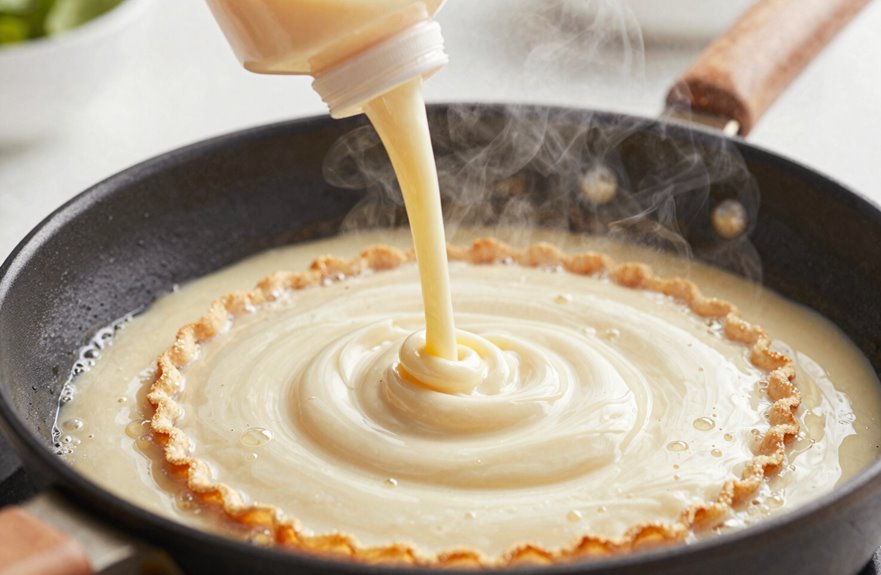
Why does the perfect vegan funnel cake begin long before the oil reaches temperature? You’ll craft your vegan funnel cake batter with intention, combining self-rising flour and dairy-free milk (almond, soy, or oat) with a whisper of lemon juice and vanilla, stirring until you achieve that pourable batter consistency, smooth as pancake batter yet distinct in its texture. Let it rest 10–15 minutes, allowing gluten strands to settle and bubbles to emerge, then whisk again to banish lumps. You’re aiming for a pourable consistency that thickens slightly when stirred, coating the back of a spoon like a velvet curtain. Too thick? Splash in more plant milk. Too thin? Pinch in flour. Transfer to your squeeze bottle; cut the tip, drizzle from the middle, and watch your creation form on the griddle.
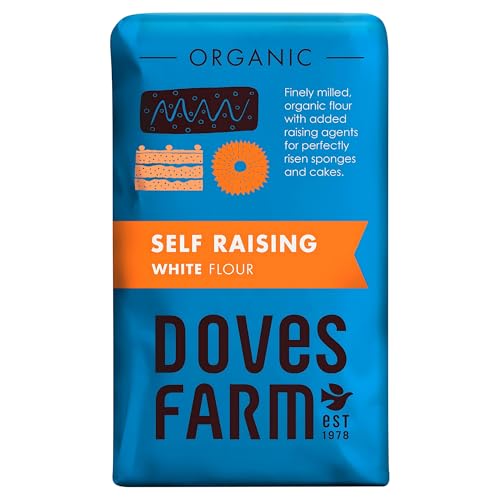
Organic & Authentic: Doves Farm Organic Self Rising White Flour 2.2 lb (1kg), finely milled in the UK from organic wheat, certified Kosher and Vegan friendly, ideal for cakes, desserts, and everyday baking

The information below is per-pack only

Organic & Authentic: Doves Farm Organic Self Rising White Flour 2.2 lb (1kg), finely milled in the UK from organic wheat, certified Kosher and Vegan friendly, ideal for cakes, desserts, and everyday baking
Frying Vegan Funnel Cake: Spiral Technique That Holds Together
Your rested batter now awaits its transformation. The moment has come to marry technique with heat.
- Transfer your batter to a squeeze bottle with a snipped tip, creating a spout that flows like honey from a jar.
- Maintain your frying temperature at 350–375°F, the sweet spot where your vegan funnel cake achieves golden results without burning.
- Execute the spiral technique by drizzling in continuous circles, drawing inward like a culinary whirlpool that binds edges together.
- Keep your wrist steady and your flow unbroken. Hesitation creates weak seams that fracture in the oil.
- Flip after two to three minutes, revealing a lacework of crispy ridges, then drain on paper towels before the final adornment.

Gluten Free, Vegan, Vegetarian, Kosher, Halal

Baking Powder

One 8.1 ounce can of Double Acting Baking Powder
Best Vegan Funnel Cake Toppings (Sweet and Creative)
What transforms a perfectly fried vegan funnel cake from a simple street food into a canvas of carnival memory and personal expression? You choose your vegan funnel cake toppings with intention, building layers of flavor that reflect your preferences. Start with the classic: powdered sugar drifting like fresh snow, a foundation that honors tradition while inviting innovation. You pile coconut whipped cream in generous clouds, its subtle tropical sweetness cutting through the fried richness. Then comes fruit compote, strawberry or blueberry, simmered until it thickens into jewel-toned ribbons that pool in the cake’s golden valleys. You might drizzle chocolate ganache, scatter cacao nibs, or crown your creation with fresh berries. Each choice connects you to a community of makers, transforming batter and oil into edible autobiography.

【High Accuracy & Fast Reading】Digital candy thermometer get precise temperature readings in just 1 second with accuracy ±0.9°F, making it a smart choice for candy making and deep frying

ACCURATE FAST READINGS (No More Burned Candy) --- Our candy deep fry thermometer provides instant and accurate temperature readings within seconds. Its advanced technology ensures precise measurements, allowing you to monitor the temperature of your food with confidence.
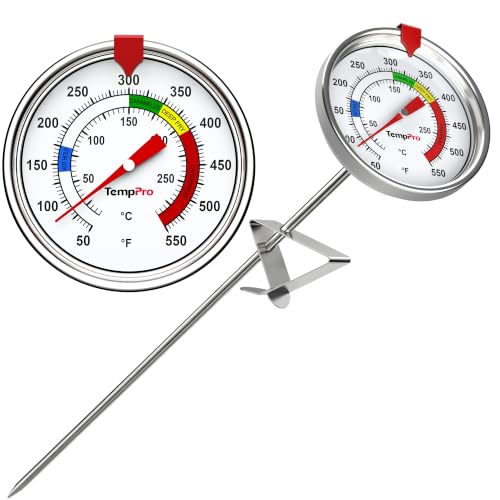
【9" Long Probe with Pot Clip】The frying thermometer for oil comes with a 9-inch probe and a secure pot clip, allowing it to be safely attached to cooking pots of different sizes, effectively protecting you from hot oil splatter
Store and Reheat Vegan Funnel Cake (Without Sogginess)
Start your storage strategy the moment your last funnel cake leaves the oil. Proper cooling method directly impacts tomorrow’s texture. Lay those golden rings on a wire rack with paper towels between each layer, letting residual heat and steam escape. Your choice of storage container matters just as much as the cooling technique. An airtight vessel protects against humidity, the primary cause of texture degradation that turns delicate lattice into limp strands. These opening moves are essential to achieving reheated crispness.
PRECISION POURING – No-drip spout ensures controlled batter flow, reducing mess and waste. Ideal for funnel cakes, pancakes, and waffles.

Dimensions and Capacity: The size of the batter dispenser funnel opening diameter 5.2 inch, height 7.48 inch. Capacity: 5 Cups /40oz. Pay attention that the steel stand small circle on the top and big circle on the bottom.

Practical Design : With a steel spring in the middle, you could control the dispenser funnel only with one hand which also provides you a smooth, seamless flow on chocolate, sauces, syrup and cream;
Proper Cooling Method
How do you preserve that golden, crackly exterior you’ve worked so hard to achieve. The secret lies in mastering the cooling process, the delicate bridge between sizzling frying oil and perfect texture.
Your wire rack becomes your ally here, lifting each vegan funnel cake away from pooling grease while crisp air circulates underneath. You’ll lay parchment paper beneath to catch the dripping remnants of your labor, ensuring nothing softens beneath the weight of accumulated grease.
- Transfer immediately from oil to wire rack, don’t dawdle
- Blot gently with paper towels, never press aggressively
- Maintain single-layer cooling until room temperature touches every curve
- Shield from steam, which degrades crispness
- Wait patiently; rushing will result in soggy cakes
Storage Container Choice
Once your vegan funnel cakes have cooled on the rack, select your storage container carefully. Choose an airtight container to prevent staleness and refrigerator odors from affecting your crisp, golden creations. Layer your funnel cakes with parchment paper between each piece, preventing them from sticking together and becoming soggy. This parchment barrier maintains the structural integrity of your finished product. Refrigerate in this sealed container for up to five days, and your vegan funnel cakes will remain ready to eat whenever you want them.
Fix Soggy or Broken Vegan Funnel Cake
Why do even the most carefully prepared batters sometimes betray you, collapsing into oil-logged disappointment or fracturing into sad, crispy shards? You’re not alone in this kitchen struggle, and salvation lies in mastering a few critical adjustments.
- Whisk in dairy-free milk when your vegan batter consistency thickens unexpectedly, restoring that pourable, pancake-batter flow.
- Monitor oil temperature religiously at 350–375°F; tepid oil transforms your creation into a grease sponge.
- Limit oil depth to 1.5 inches, minimizing uptake while maximizing structural integrity.
- Perfect your frying technique: pipe tight circles, let edges set, then flip gently with confidence.
- Drain on wire racks, and when needed, employ re-crisping surface methods through an oven or Air Fryer to restore that golden crunch.
These adjustments will improve your results.


1 - 5lb box of Krusteaz Funnel Cake Mix

【Package】This batter dispenser package contains 1 x pancake dispenser for batter with stand, 1 x grip handle and 4 x different caliber silicone funnel.Silicone funnel sizes are: 0.31", 0.47", 0.55", 0.67" and the dispenser itself has a 0.75" spout. Capacity: 2.5 cups / 0.6 liters.