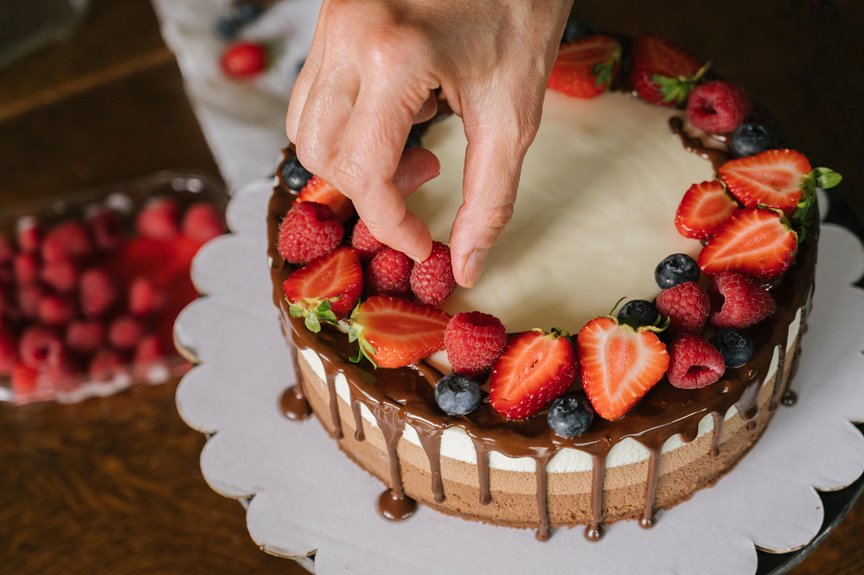
You can refreeze cake, but you’ll need to accept some texture trade-offs along the way. Start by freezing only unfrosted layers whenever possible, since buttercream and cream fillings separate and turn grainy through multiple freeze-thaw cycles. Wrap your cooled layers in double plastic wrap, shield with foil, and nestle them into freezer bags with clear labels, thawing gradually in the refrigerator to minimize cellular damage from ice crystals. Patience preserves moisture and crumb structure.
Skip refreezing fully assembled leftovers; instead, portion them for refrigeration or share fresh slices immediately. The path from thawed dessert to preserved masterpiece demands precision rather than convenience, and the techniques ahead will transform your approach entirely.
Is It Safe to Refreeze Cake? What Experts Actually Say
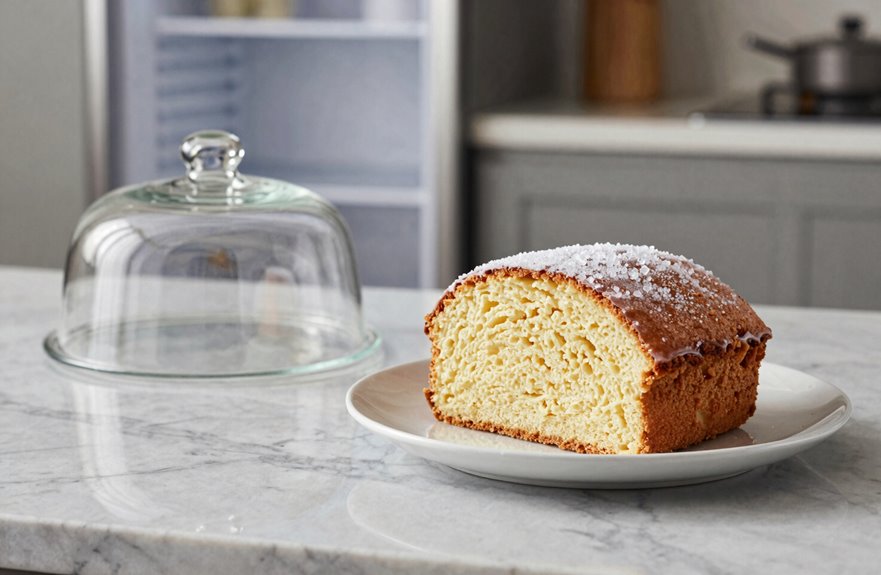
Why might that once-frozen birthday cake sitting in your refrigerator leave you wondering about a return trip to the freezer? You’re weighing safety against quality, and the guidelines offer clarity. Experts agree that safety remains sound when you maintain proper refrigeration. Danger doesn’t develop in cold storage. Yet refreezing defrosted leftovers presents a different problem: texture quality deteriorates significantly. After thawing, your once-fluffy sponge experiences structural collapse. Buttercream separates, and cream cheese fillings become grainy. The freezing process crystallizes moisture, and refreezing amplifies those crystals against delicate crumb structure. Each freeze-thaw cycle causes progressive damage to your dessert’s foundation, similar to frost heave on concrete. The practical solution involves accepting trade-offs: enjoy your defrosted slice while fresh, or expect reduced frosting stability upon refreezing. Both choices are valid decisions based on your priorities between food safety and texture quality in your home kitchen.

One 10 count box of Ziploc 2 Gallon Food Storage Freezer Bags to store and transport fresh food, snacks, and other items

Complete Cake Transport Set: Perfect for bakers and event planners, the set includes a cake box, cake board, cooler bag, and ice packs reusable to ensure cakes stay fresh and protected. Includes all essential items in one package to meet your needs.

Complete Cake Transport Set: Perfect for bakers and event planners, the set includes a cake box, cake board, cooler bag, and ice packs reusable to ensure cakes stay fresh and protected. Includes all essential items in one package to meet your needs.
Which Cakes You Can Refreeze (and Which to Skip)
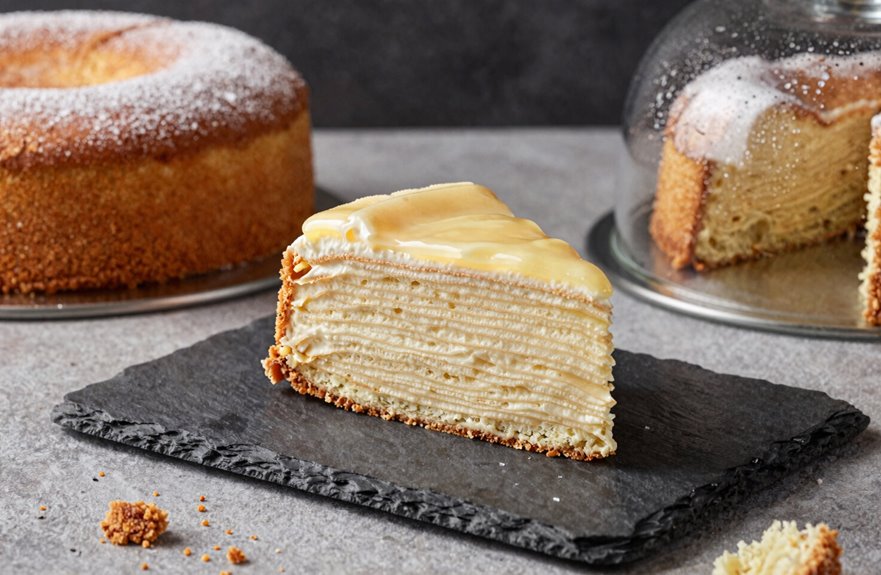
Your refrigerator holds that partially defrosted sheet cake, and you’re scanning it like a battlefield medic triaging casualties, deciding which desserts deserve another chance at the freezer and which you’ve already lost. You’ll find safety with unfrosted layers, those blank canvases that withstand refreezing far better than their decorated cousins. Freezing these plain sponges before applying buttercream preserves their cellular integrity, while thawing transforms them into ready-to-finish showpieces. Skip anything carrying cream fillings or pudding centers. These delicate emulsions collapse into weeping disasters upon second freezing. Your leftovers with simple frosting might survive, though you’re pushing culinary luck. For true mastery, freeze components separately and assemble after thawing. This technique honors both food safety and your growing expertise in the pastry arts.

BAKE & DECORATE LIKE A PRO: Our Cake Baking Strips are made of Aluminized Cotton to conduct heat evenly, so layers come out moist, even and ready to ice; say goodbye to...
How to Refreeze Cake Without Ruining Texture

How exactly does one freeze a cake twice without transforming it into a dense, grainy disappointment? You’ll need to treat your cake like delicate archaeology, preserving every crumb’s story.
- Freeze only unfrosted layers when possible, since frosting integrity collapses faster than a soufflé in a thunderstorm.
- Thaw gradually in the refrigerator, never rushing the process like a hungry amateur at midnight.
- Store airtight immediately, locking moisture in like a treasure chest protecting gold.
If you’ve already assembled your masterpiece, you’ll face a crossroads. Leftovers thawed completely shouldn’t refreeze. Instead, refrigerate them in snug portions. Your texture depends on patience, your palate rewards precision, and proper handling prevents ice crystal formation that degrades cake quality.

Professional Cake Texture Tool: Create stunning bakery-style cakes with one versatile set. Each cake scraper features double-sided edges, giving you 7 unique textures including straight, serrated, wavy, scalloped, and decorative designs. Easily add elegant finishes to buttercream, whipped cream, fondant, mousse, and pastry creations

【2 Pieces Cake Scraper Set with 2 Styles】You will receive 2 styles of cake scrapers, each measures approximately 8.7x3x0.1 inches. You can carve cakes of various shapes and sizes according to different themes, easily meeting your needs for making beautiful and delicate cakes

High Quality Cake Scraper: Teenitor cake smoother is made from high grade PP plastic to guard your healthy and safe life. Very sturdy and easy to use. High-quality plastic that can withstand repeated use and cleaning
Wrapping Cake for a Second Freeze (Step-by-Step)
Cake architecture demands exacting defense when you’re braving a second freeze. Your wrapping technique becomes the fortress protecting every tender crumb from freezer burn’s slow siege. Complete cooling anchors your foundation, since trapping warmth invites condensation’s betrayal.
Wrap each layer or slice in two tight embraces of plastic wrap, follow with aluminum foil’s shielding layer, and nestle everything within a freezer-safe bag for maximum fortification. A solo plastic wrap cloak suffices for brief freezing stints if you’re short on time, minimizing moisture’s gathering.
Label your package with cake type and use-by date to track freshness throughout storage. Only refrigerated leftovers qualify for this second journey. Never refreeze cake that has been abandoned to room temperature after thaw.

CLING WRAP WITH SLIDE CUTTER-Contains one roll of Reynolds Quick Cut Plastic Wrap with slide cutter, measuring 225 feet long by 12 inches wide (225 square feet)

PRESS'N SEAL PLASTIC FOOD WRAP: With a quick press and glide, this food wrap keeps food fresh with a leak proof, air tight seal making it the ultimate storage solution; packaging may vary

Plastic Food Wrap: Add our plastic food wrap to your household items to extend food freshness with a tight seal
Better Ways to Save Leftover Cake Than Refreezing
Why consign your creation to the freezer when superior paths await? You need not refreeze what you’ve already thawed, as repeated temperature changes damage both texture and moisture, leaving your cake dry and crumbly.
Instead, consider these proven alternatives:
- Portion with precision. Wrap individual slices in parchment before placing them into an airtight container for your refrigerator, where they’ll stay fresh for three days.
- Share the abundance. Offer guests fresh slices immediately after thawing. Consuming cake promptly preserves quality better than any storage method.
- Freeze strategically from inception. Bake portions without icing so you may frost after thawing, ensuring each serving maintains optimal texture and flavor.
Skip the refreeze cycle entirely, and your leftovers maintain their quality and taste.