You can absolutely substitute bread flour for cake flour when you understand protein’s transformative power, though this swap demands precision rather than careless substitution. Bread flour carries 12–13.5% protein against cake flour’s gentle 7–9%, so you’ll need to dilute that gluten-forming strength by blending two tablespoons cornstarch into each cup, then sifting thoroughly to aerate and distribute.
Choose sturdy, forgiving recipes such as carrot cake, vanilla layers, and red velvet, where moisture and structure welcome extra resilience. Avoid delicate angel food or chiffon that crumble under gluten’s muscular grip.
Mix briefly, just until ingredients marry, then rest the batter five minutes so moisture distributes evenly without overworking those developing strands. If your crumb turns dense and bread-like, you’ve activated too much gluten; recover by adjusting hydration or switching approaches entirely.
Real cake flour remains irreplaceable for genoise and precision-demanding bakes where tenderness reigns supreme. These techniques will help you wield flour substitutions effectively, transforming raw ingredients into quality baked goods.
Yes, You Can Substitute Bread Flour for Cake Flour

Why reach for cake flour when your pantry holds only bread flour, and the oven already hums with anticipation. You’re not stranded; you’re simply adapting, and adaptation separates the curious from the committed. Bread flour carries higher protein content, twelve to thirteen and a half percent against cake flour’s modest seven to nine, so gluten development threatens your tender crumb. But you’ve got cornstarch substitution in your arsenal: for every cup of bread flour, whisk in two tablespoons of cornstarch, mimicking that delicate protein reduction. You’re lowering the effective protein content, taming the gluten’s grip, transforming strength into suppleness. Without cornstarch, you’ll reduce flour slightly and boost moisture, compensating for bread flour’s thirstier nature. Countless bakers have stood where you stand, measuring, adjusting, and using their hands to bridge the gap between what you have and what you need.

Versatile Baking: Perfect 1:1 substitute for wheat flour in non-yeasted recipes, ideal for gluten-free cookies, cakes, muffins, and pancakes. Simplify your gluten-free baking with this all-purpose flour alternative.


Milled from the finest American wheat, our flour contains no bleach, no bromate and no artificial preservatives of any kind. We also test bake our flour to ensure it meets our strict standards- the strictest in the industry
Pick Cake Recipes Sturdy Enough for Extra Gluten
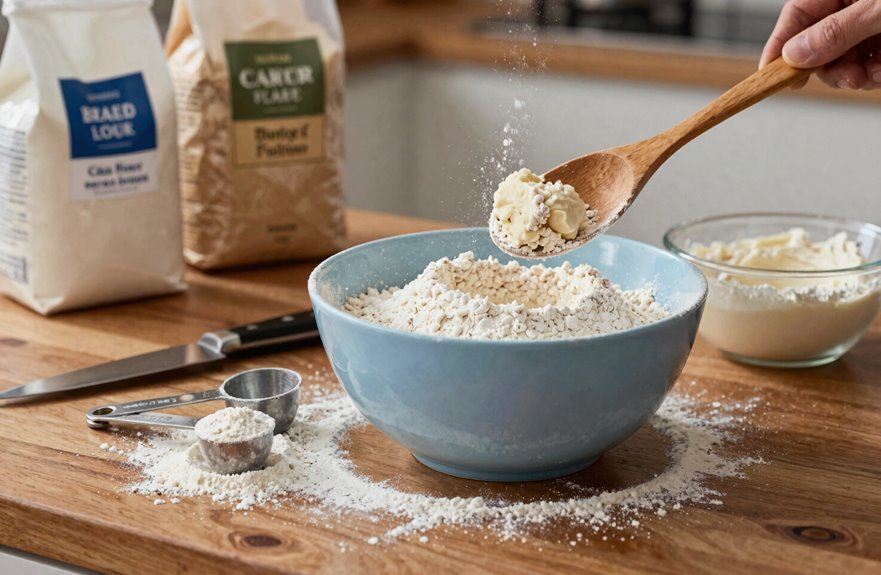
You’ll want to steer your substitution toward sturdy, forgiving cakes, such as carrot cake with its moisture-laden shreds, classic vanilla layers, or red velvet with its subtle cocoa whisper, since these can handle the extra protein without collapsing into toughness. Skip the delicate darlings like chiffon, angel food, or ultra-moist chocolate creations, where bread flour’s gluten strength would bulldoze their airy, tender architecture like a wrecking ball through spun sugar. Match your flour to your recipe’s structural needs, and you’ll turn a potential baking misstep into a delicious victory.

One 5 pound bag of Enriched Bread Flour, Unbleached

32 ounce organic bread flour

Versatile Replacement: This gluten free flour 1 to 1 substitute for wheat flour can be used in yeasted recipes, allowing you to create delicious GF versions of artisan boules, bagels, cinnamon rolls, and burger buns with ease.
Sturdy Cake Types
Three sturdy cake varieties work well when bread flour’s extra protein is unavoidable: carrot cake, with its dense shreds of root vegetable and warm spice; banana bread masquerading as cake, where moisture-laden fruit demands structural backbone; and dense gingerbread, whose molasses depth welcomes chew rather than crumbling at the first fork-press. These sturdy cake types tolerate the gluten development that bread flour brings, whereas delicate chiffon would collapse under such structural demands. When you substitute bread flour for cake flour here, you trade some texture and tenderness for resilience. Mix gently, limit gluten development, and you’ll preserve enough softness to satisfy. Reserve this high-protein swap for recipes built to bear weight, and your baking results will remain reliable.
Avoid Delicate Cakes
How do you know when bread flour crosses the line from bold experiment to baking disaster? You watch your delicate cakes collapse, their airy promise deflating into dense disappointment. Angel food and chiffon cakes demand low gluten to achieve their cloud-like crumb, and these fragile beauties simply cannot forgive a bread flour substitute. When you reach for that high-protein flour, you sacrifice tenderness for toughness, trading silk for rope. You might attempt a cornstarch addition to soften the blow, blending two tablespoons per cup to dilute the protein, yet moisture sensitivity still threatens your creation. High-hydration recipes with delicate cocoa powders or pristine white bases become especially volatile; their structure buckles under gluten’s stubborn grip. Save your bread flour for heartier endeavors: dense vanilla layers, pineapple upside-down cakes, or sturdy bundts that welcome the extra strength. Low-gluten flour is the appropriate choice for ethereal cakes.
Add Cornstarch to Lower the Protein Content

You can transform your bread flour into something resembling cake flour by employing a simple protein reduction method, where cornstarch becomes your advantage in this kitchen technique. For every cup of flour you measure, blend in two tablespoons of cornstarch. This ratio dilutes those gluten-forming proteins that would otherwise toughen your tender crumb, similar to adding water to temper strong wine. Once combined, sift the mixture thoroughly to aerate it, ensuring the cornstarch integrates evenly so your vanilla birthday cake or delicate white layer cake achieves that soft, velvety texture. The result will differ slightly from commercial cake flour, but the texture will be comparable.

This 12 oz protein pancake mix makes nineteen 4" pancakes and includes directions to make 6, 12, or 19 pancakes

CLEANER INGREDIENTS: 21g plant protein and less than 1g sugar per serving. Our protein blend consists of organic peas, brown rice, mung bean, and chia seeds, to provide a complete protein with all nine essential amino acids. It also features 7g of prebiotic plus fiber for gut support

Protein Reduction Method
One reliable way to transform bread flour into something gentler involves adding cornstarch, which dilutes the protein concentration and tames the gluten’s aggressive tendencies. When you blend these two pantry staples, you’re essentially mimicking cake flour’s delicate architecture without abandoning what you’ve already got in your kitchen.
This protein reduction method works because cornstarch contains zero protein, so each spoonful you swap in lowers the overall percentage, pushing back against excessive gluten development that would otherwise toughen your tender crumb. You’ll trade some bread flour for cornstarch, typically seven-eighths cup plus two tablespoons per cup, and sift thoroughly to marry them into a unified, powdery consistency that behaves more cooperatively.
Hydration adjustment becomes necessary here, since cornstarch absorbs moisture differently. Watch your batter’s viscosity as you mix, adjusting liquids until the texture feels right under your whisk.
Cornstarch Ratio Guide
Precision matters when you’re standing at the counter with measuring spoons in hand. For every cup of all-purpose flour, you’ll swap out two tablespoons and replace them with cornstarch, creating a cake flour substitute that mimics delicate, store-bought perfection. This simple exchange dilutes gluten development, yielding that tender crumb you need. You must sift twice with no shortcuts to ensure the cornstarch distributes evenly and eliminates lumps that sabotage your bake. This method works well for everyday cakes, though it won’t quite match angel food cake’s delicate texture. Many home bakers have used this technique to transform basic ingredients into quality baked goods through careful measurement and preparation.
Mixing Technique Tips
Although bread flour carries nearly double the protein of its cake-friendly cousin, you can still achieve tender results when that’s all you have on hand. Many home bakers have mastered the bread flour-cornstarch trick, transforming high-protein pantry staples into an effective cake flour substitute.
For this mixing technique, combine one cup bread flour with two tablespoons cornstarch, then sift thoroughly and patiently until completely combined. The cornstarch dilutes gluten-forming proteins, creating tenderness from a stronger flour. You’re building a delicate structure rather than a dense one.
Skip this blend for delicate genoise, but use it for everyday cakes. Measure level cups, sift twice, and your crumb will soften noticeably. Precision in measurement and technique produces superior cake texture.
Reduce Liquid to Control Gluten Development
How do you keep bread flour from turning your tender cake into something closer to chewy bread. You master the liquid adjustment. Bread flour packs more protein than cake flour, so it thirsts for moisture and builds gluten development like a web tightening around your crumb. Start by cutting 10–15% of your recipe’s liquid, watching as the batter consistency shifts from elastic to cooperative. Less liquid slows gluten’s eager hydration, buying you time before toughness takes hold. If your mixture feels stubbornly thick, drizzle back small additions rather than wrestling it with extra strokes. You’re aiming for smooth, dropping batter; think honey off a spoon, not bread dough clinging to the hook. Track the texture and observe the results to transform potential chewiness into tender, welcoming cake.

INDULGENT KETO SNACKS: Enjoy Sweet Logic Baking Mixes with only 1-2g of net carbs per serving. A guilt-free way to satisfy your sweet tooth on a keto diet.

Milled from 100% US Wheat

Mix Briefly to Keep Your Cake Tender
Every stroke of your spoon is a negotiation with gluten, and when you’re working with bread flour, you need to know when to stop mixing. Mixing briefly becomes your secret weapon, a gentle approach to the batter that stops before gluten development tightens its grip on your tender crumb. Stir until ingredients just combine, leaving flour pockets and streaks like watercolor edges, because overworking transforms your cake crumb from cloud to cardboard. Let the batter rest five minutes after combining, allowing moisture to distribute evenly without your spoon building gluten structure. Test small batches first, mastering this brief touch before scaling up, and you’ll achieve softness even with the strongest flours.
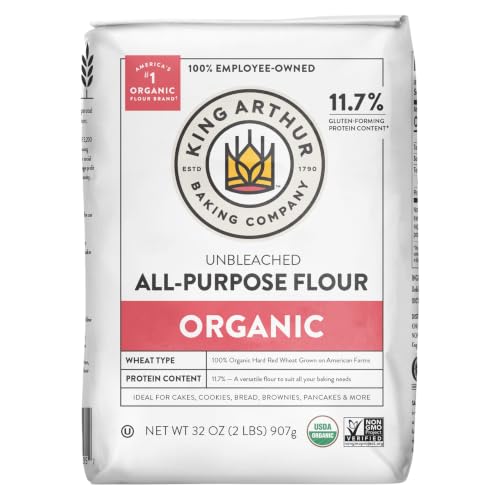
Our organic unbleached flour works in any recipe calling for "flour" or "all-purpose flour," delivering consistent results every time. Ideal for the full range of your baking repertoire, from brownies and cookies to pies, muffins and yeast bread
The information below is per-pack only

Use as a cup for cup replacement for wheat flour
Know When to Buy Real Cake Flour Instead
Sometimes the wisest choice you can make is surrendering to the ingredient itself and stepping back from substitution games when your cake’s destiny hangs in the balance. Cake flour’s low protein content, roughly 7-9% versus bread flour’s 12-14%, creates the tender crumb you need in delicate vanilla whites or cloud-like chiffons. Its finer milling and superior moisture absorption transform batter into silk, with each granule absorbing liquid efficiently rather than excessively.
| When You Need Cake Flour | Why It Matters |
|---|---|
| Delicate recipes demand it | Protein content stays low, guarding tenderness |
| Moisture balance feels off | Cake flour’s absorption prevents dryness |
| You seek that bakery-soft bite | Tender crumb becomes your signature |
| Red velvet or angel food calls | Structure relies on finesse, not force |
Buy real cake flour because your baking deserves precision, not compromise.

Low-Carb Baking: Only 4g net carbs per serving, making it ideal for keto diets and those reducing carb intake. Perfect as a bread flour for baking wheat bread, pizza crusts, and other yeasted goods without compromising on taste or texture.

Fix a Dense Cake From Too Much Gluten
Why does your cake feel like a brick wrapped in frosting? You’ve likely overworked the gluten, especially if you swapped bread flour for cake flour without adjusting your technique. That extra protein transforms your tender crumb into something resembling construction material, but you can rescue this dense cake.
Your cake feels like a brick because overworked gluten and bread flour’s extra protein transformed your tender crumb into construction material.
Here’s your recovery plan:
- Switch flours immediately – trade that bread flour for cake flour, or blend all-purpose with cornstarch to dilute the gluten strength.
- Mix with restraint – stir wet and dry ingredients until they just marry, then step away from the bowl.
- Rest the batter – let it sit briefly so gluten relaxes, softening your cake’s structure.
- Boost moisture – add extra fat or eggs to combat toughness.
These adjustments will improve your cake’s texture and crumb quality.


Food grade material: This powder sugar shaker duster is made of high quality food grade 304 stainless steel, safe material can directly contact food, durable,no odor and rust free; With fine mesh top, can evenly distribute powder items

Premium Quality: Organic rye flour from King Arthur, 100% grown and milled in the USA. With more bran, this medium blend offers a darker color and more robust flavor than white rye flour, perfect for complex, flavorful breads and baked goods