Your cake turns dense when you’ve packed flour too heavily, chilling your batter into stiffness, or worked it past patience until gluten tightens like a fist refusing to open.
Cold butter sabotages the creaming stage, trapping no air, while expired leavening agents surrender their lift without a fight.
You’re balancing moisture and structure, fat and flour, technique and timing. Each element determines the final texture. Master these factors, and you’ll achieve the lightness you’re aiming for.
Why Is My Cake Dense?
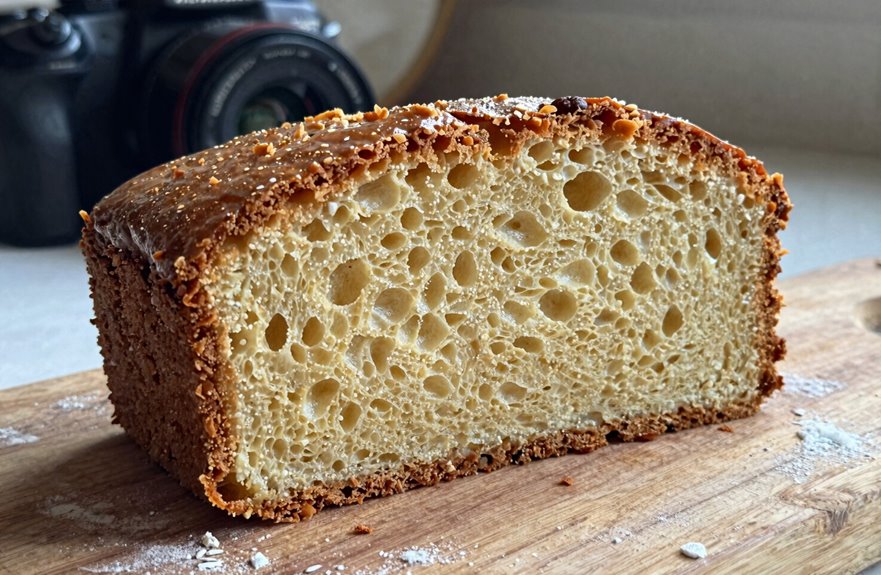
Why does your cake sometimes feel more like a brick than a cloud, even when you’ve followed the recipe to the letter? You’re not alone in seeking answers, and the culprit often hides in your technique.
Your liquid-to-dry ratio sets the foundation. Too much moisture drowns lift, while improper flour type and ratio starves it. Room-temperature ingredients aren’t mere suggestions; cold butter sabotages butter and sugar creaming, that crucial step where air becomes your invisible leavening partner. Watch your baking powder and soda strength too. Expired agents lose their potency and fail to provide adequate lift.
Overmixing awakens gluten development like a sleeping giant, turning tender crumb into chewy resistance. Batter temperature matters, as warmth helps chemical reactions bloom. Master these elements, and you’ll transform from frustrated baker to confident creator, with cakes that rise consistently and deliver the light texture you’re aiming for.

GREAT FOR THE KITCHEN: Vintage inspired sifter with easy one hand operation is ideal for sifting small amounts of powdered sugar or to mix dry ingredients.

【3 Cups Capacity】Our strong and Lightweight flour sifter features a large capacity of 3 cups with clear measuring lines to quickly & smoothly sift & aerates dry ingredients with an easy turn of the handle to give you lighter, fluffier baked goods

King Arthur Baking Company Lightweight Measuring Cups: embossed measurement markings on each handle ensure long-lasting accuracy for everyday cooking and baking tasks with precise ingredient prep
Too Much Flour, Too Little Fat: Ratio Mistakes That Create Density
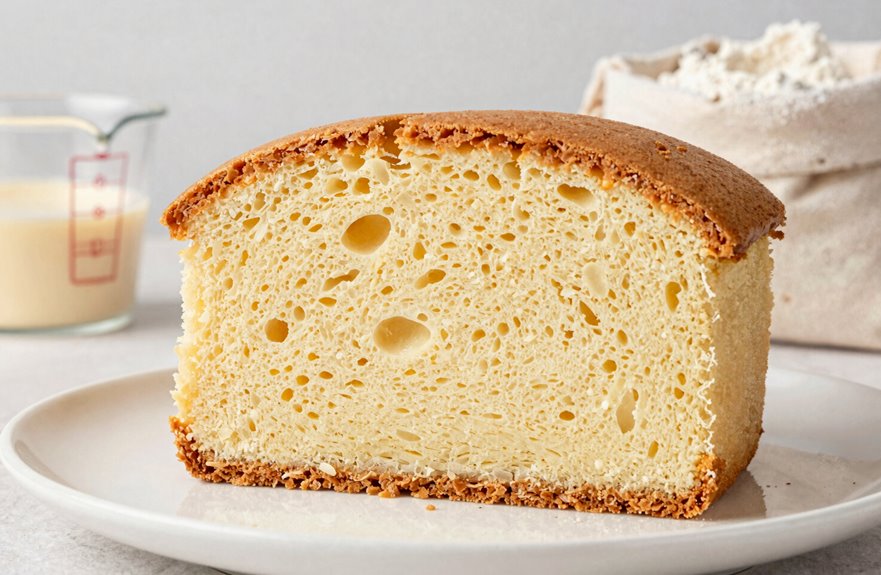
How often do you find yourself sifting flour with a heavy hand, convinced that more structure equals a better cake, only to pull from the oven something closer to bread than cake? You’re not alone in this kitchen mystery where measurement mishaps quietly sabotage your results.
When you pack too much flour into your cups, you throw off the ratio that keeps cakes tender, creating a stiff batter that refuses to rise even when leavening works overtime. Without enough fat, you’re stripping away the moisture and richness that makes each bite melt. Fat functions as the component that delivers softness and tenderness to your crumb. Your creaming suffers, air escapes, and density wins.
The solution is precision. Weigh your flour instead of scooping it. Trust the balance between wet and dry ingredients. This approach produces the transformation you’re seeking in your baking.

Our Baking Powder Makes The Lightest, Fluffiest Cakes, Quick Breads And Baked Goods

Aluminum free, gluten free, and allergen free - premium baking powder for baking. A pure clean baking powder blended in our allergen free, gluten free, vegan facility in Spring Lake, Michigan.

Gluten Free, Vegan, Vegetarian, Kosher, Halal
How to Cream and Fold Without Over-Working the Batter
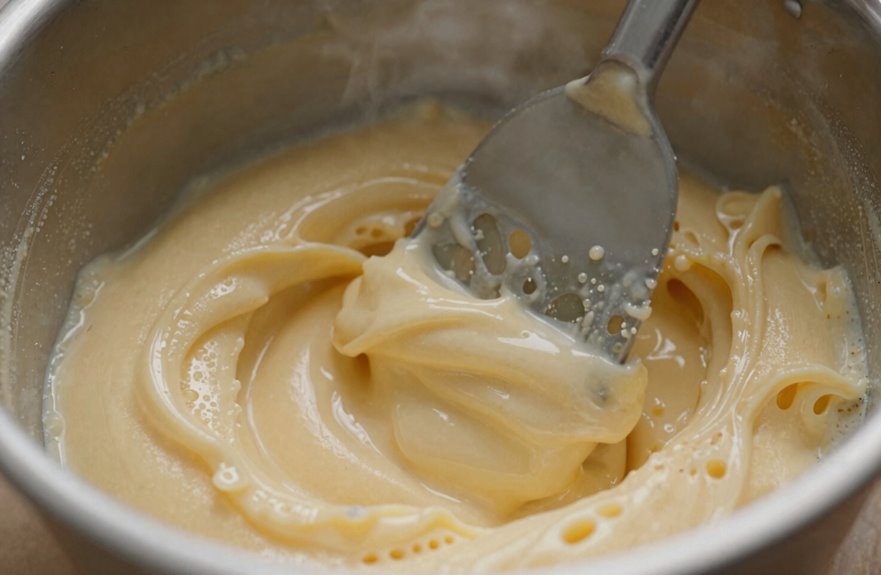
The moment you set your mixer to creaming, you’re stepping into a delicate negotiation between structure and air, where butter and sugar become partners in building the foundation of your cake’s texture. Cream butter and sugar at medium speed until fluffy, trapping air without overmixing, which collapses your leavening balance. Room temperature ingredients emulsify smoothly, helping your batter hold that aeration effectively.
When you introduce dry ingredients, your folding technique becomes critical to maintaining lightness. Use gentle folding with a spatula to preserve air pockets and prevent gluten from tightening into batter density. Incorporate whipped egg whites in portions, with each fold carefully maintaining structure. This restraint in technique directly produces better rise in your finished cake.

We've created a gluten-free cake mix that makes the best ever yellow cake, every time you bake. Turn it into a tender, golden layer cake or make a batch of moist, finely-crumbed cupcakes. You pick the frostings and fillings (sprinkles highly recommended)

Decadent Chocolate: Indulge in our rich, moist gluten-free chocolate cake mix that's perfect for birthdays and special occasions. This mix creates an intensely chocolatey dessert that everyone will love, whether they're gluten-free or not.

Versatile Baking: Create two 8 in or 9 in round layers, one 9 in x 13 in sheet cake, or 24 cupcakes with this 18 Oz gluten free cake mix (cupcake mix). Perfect for birthdays and special occasions, this mix offers flexibility for various baking needs
Is Your Oven Ruining Your Cakes?
You’ve mastered the art of gentle folding and patient creaming, yet your cakes still emerge with stubborn density, their centers sunken like failed soufflés despite your careful technique.
Perhaps your mixing speed betrays you, whipping butter and sugar into overheated submission before eggs ever join the party. When you blast creaming at high velocity, you’re building a house of cards that collapses under flour’s weight, gluten tightening like a fist around precious air.
| Problem | Culprit | Solution |
|---|---|---|
| Gluey streaks, sinking centers | Over-mixing at high speed | Medium speed creaming, slow flour incorporation |
| Stunted rise, tight crumb | Cold butter, chilled eggs | Room temperature ingredients |
| Dense, heavy texture | Excessive liquid, tired leavening | Fresh baking powder, precise flour ratios |

Holds 3 Cups: Our flour sifter holds more flour and powedered sugar than most sifters; Masurements are stamped into metal and easily be read from outside

Fine Mesh Sieve: Every baker needs a fine, 20-mesh sieve for sifting, dusting, and straining, and this small sieve is the perfect size for small amounts of dry ingredients, dusting baked goods, or straining ricotta

Mrs. Anderson’s Heavyweight Measuring Cup Set with Pour Spouts portion out dry and liquid ingredients for accurate cooking and baking
Rescue Swaps: Sour Cream, Oil, and Cake Flour for Moisture
Where does a dense cake find redemption when technique alone falls short? Strategic ingredient swaps transform crumb structure without sacrificing soul.
- Trade butter for oil when moisture trumps richness. Oil coats flour proteins more thoroughly, reducing gluten development while amplifying moisture balance.
- Embrace sour cream as your dairy substitutions champion. Its fat and acidity deliver tenderness that milk simply cannot replicate.
- Reach for cake flour; its lower protein content yields delicate layers where all-purpose would weigh you down.
You’ll notice density retreating, replaced by springy resilience. Master these moisture-forward adjustments, and you’re no longer wrestling with dryness. Instead, you’re orchestrating texture by understanding how ingredients interact with one another.

Double Acting Baking Powder is a great leavening agent used in all types of delicious baked good recipes
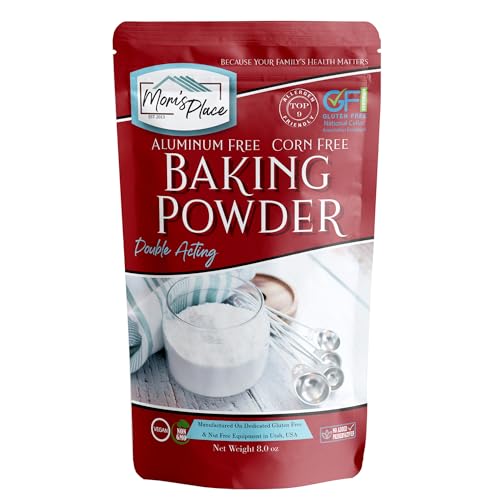
Perfect for Gluten-Free Baking – Achieve consistent rise and texture in your gluten-free baked goods with Mom’s Place Double Acting Baking Powder. Ideal for cakes, muffins, and more.

One 8.1 ounce can of Double Acting Baking Powder