Yes, you can bring cake on a plane. Place your creation in a sturdy cardboard box that extends at least four inches beyond the cake’s dimensions. Line the box with parchment paper and secure the cake board with masking tape or non-slip mats.
Security may inspect your cake if it contains eggs or dairy. Keep ingredient labels accessible for inspection. You can either place the boxed cake under your seat or check it as baggage with additional padding protection.
Transport your frosting and decorations separately. Assemble the final presentation after you land. This approach protects both the cake’s structure and appearance during flight.
Is Bringing Cake on a Plane Even Allowed?
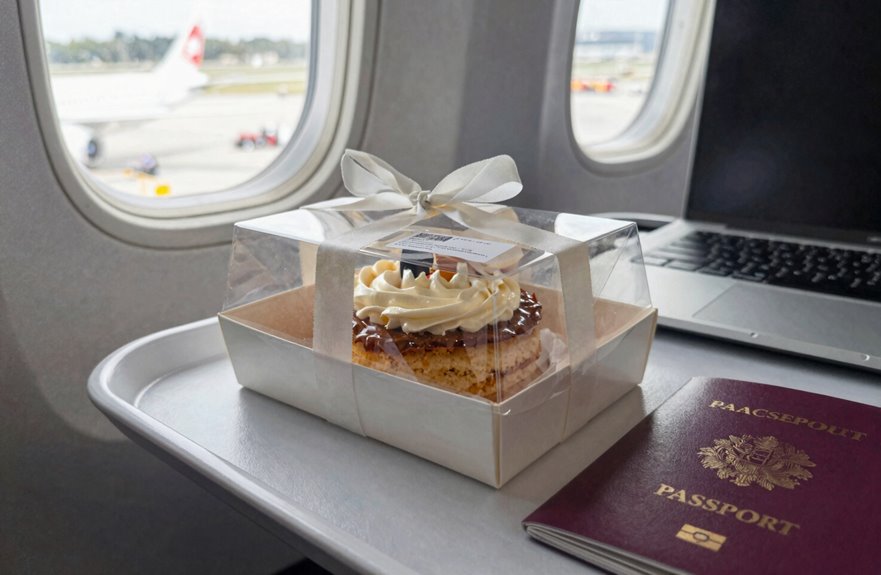
Why, you might wonder, whether a cake could accompany you through airport security? The answer is yes, you’re absolutely permitted to bring this edible creation aboard, though the path requires some culinary foresight. You’ll transport your cake as a carry-on, cradling it carefully, or nestle it within a sturdy box that slides beneath the seat before you, a sweet stowaway riding in your luggage to your destination. Security personnel may inspect your creation, particularly when eggs or dairy indicate perishable contents, so anticipate their curiosity with patience. Your box becomes both armor and sanctuary, shielding layers of buttercream from turbulence. You’re not merely packing dessert; you’re preserving joy, slice by slice, across the clouds.

15 Packs: Comes with 10-inch cake boxes a total of 15, and 80 stickers. The bakery box with a window can be used for the placement of cakes, pies, sweets, etc. 4 versions of stickers plus 1 blank style sticker for a total of 80 stickers. Adding these stickers directly to the gift box to better show your love.

Premium Quality Materials: Heavy duty premium kraft corrugated cardboard boxes. Our cake boxes are thick and sturdy. The environmental-friendly materials are recyclable and degradable.You can trust to hold and ensure your cake and goodies’ protection while on display and on transport.
Choose the Right Container for Cake on a Plane
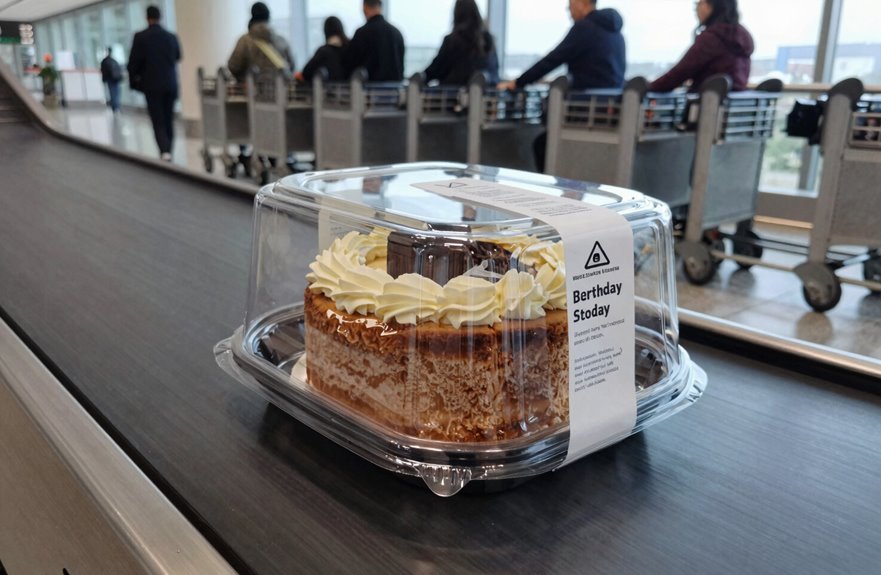
Your container choice becomes the architectural foundation upon which your cake’s safe arrival depends, transforming ordinary cardboard into a fortress against turbulence and clumsy baggage handlers. You’re building a sanctuary, not merely packing dessert.
Your container choice becomes the architectural foundation upon which your cake’s safe arrival depends, transforming ordinary cardboard into a fortress against turbulence and clumsy baggage handlers.
Select your cake box with precision. Use sturdy cardboard extending four inches beyond your creation’s dimensions, creating a buffer zone of protection. Line this vessel with parchment paper to cradle your masterpiece.
- Anchor your cake board with masking tape or non-slip mats to eliminate dangerous shifts during sudden altitude changes.
- Wrap assembled layers in cling film to establish an airtight seal against cabin pressure fluctuations.
- Position your protected creation as carry-on luggage, never surrendering it to cargo hold uncertainty.
- Nestle the boxed treasure beneath your seat or in overhead compartments, maintaining constant supervision throughout your journey.

【Safe and Reliable Material】Crafted from food-grade soft silicone material, this pink baking mat is resistant to high temperature, deformation, wrinkles, and fading, and can be rolled up or folded for convenient storage, saving valuable space in your kitchen.

Quality Silicone Material: Crafted from premium, food-grade silicone, our baking mat is heat-resistant up to 220°C, non-stick, and easy to clean. It maintains its luster and color even after repeated use, ensuring a long-lasting, reliable baking companion.

Reliable Material: Made of high quality silicone, these baking mats are safe, odorless, non-slip, and heat-resistant. They won’t deform or get damaged easily, ensuring safe and worry-free baking.
Pack Your Cake to Survive TSA and Turbulence
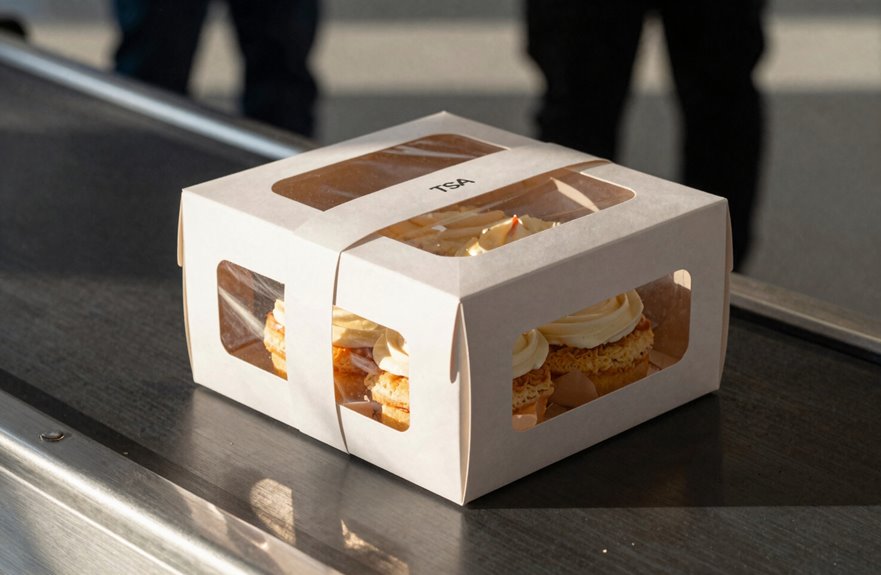
Securing your cake through TSA checkpoints and airborne turbulence requires preparation beyond container selection, combining pastry expertise with logistics strategy. Line every surface with parchment and brush corners with pan coat so your creation releases cleanly. After cooling completely, refrigerate or freeze the cake, then triple-wrap it in plastic and nestle it into a large bag for transport protection. Carry it aboard in a dedicated carrier, or pad a roller bag with soft garments to cradle the pan securely. Keep frosting, decorations, and your presentation box within reach during flight so you can assemble your cake immediately upon landing.
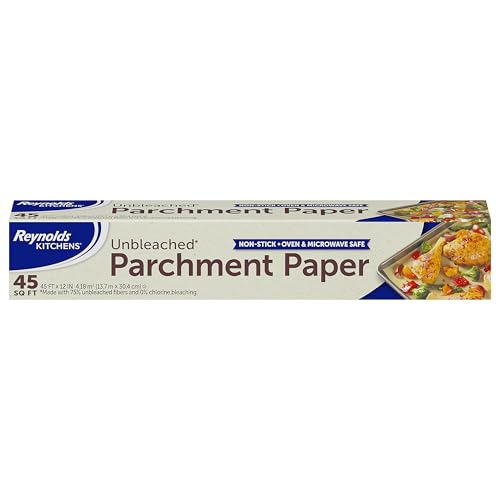
Package Includes: One (1) Reynolds Kitchens Unbleached Parchment Paper Roll measuring 45 feet long by 12 inches wide (45 square feet total)

SUPERIOR QUALITY: Our parchment paper circles are designed with premium food grade silicone paper with quality in mind, Not Bleached, Non Toxic, Non-Wax, 100% Safe for daily use. HEAT RESISTANT up to 446 degree F (230 ℃) , perfect for dutch oven, toaster oven, tortilla press, cheesecake pan, springform pans, air fryer and so on

EXTRA STRONG - 200pcs 9 inch parchment paper rounds made of extra thicker 45gsm paper, compared with commonly used 35gsm or 40gsm paper, it's about 12% thicker than others'. We define it as heavy duty parchment paper rounds. Katbite 9" round patty paper won’t curl or burn.
Choose Carry-On or Checked Baggage for Your Cake
The decision between carry-on and checked baggage for your cake involves careful planning and understanding the realities of modern air travel. Each option has distinct advantages, much like choosing between buttercream and fondant; both can work beautifully, but the execution differs.
- Carry-on convenience: Your boxed cake slides under the seat, protected by padding that cushions every edge.
- Checked baggage courage: You wrap multiple layers and nestle your creation in a padded fortress to protect it from baggage handling.
- Structural integrity: You avoid sharp edges near delicate buttercream and secure lids tightly.
- Security storytelling: You prepare to explain eggs and fillings, with labels communicating ingredient information to security personnel, joining other travelers who have navigated this process.

PRESS'N SEAL PLASTIC FOOD WRAP: With a quick press and glide, this food wrap keeps food fresh with a leak proof, air tight seal making it the ultimate storage solution; packaging may vary

Plastic Food Wrap: Add our plastic food wrap to your household items to extend food freshness with a tight seal
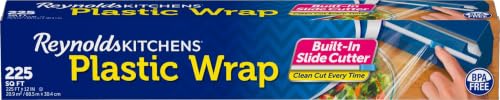
CLING WRAP WITH SLIDE CUTTER-Contains one roll of Reynolds Quick Cut Plastic Wrap with slide cutter, measuring 225 feet long by 12 inches wide (225 square feet)
Decorate Your Cake Once You Arrive
Once your cake has survived the journey through security lines and baggage claims, you’re ready to transform that plain, travel-weary base into something worthy of celebration. Keep your cake nestled in a cold box or insulated bag until you’re ready to begin, preserving the structural integrity you’ve worked so hard to protect during transport. Retrieve your frosting and sprinkle stash from an easily reachable compartment, allowing separated buttercream to soften slightly at room temperature for cleaner piping. With steady hands and a practiced eye, build layers of visual delight upon that humble foundation, creating a decorated cake that honors both your skill and your destination. Finally, transfer your masterpiece to a dedicated cake box for that procession from storage to serving table.

【Package Included】Package included 1pcs 10in foldable cake carrier with lid and handle.

A handy way to serve, store, and transport all kinds of baked goods using the same carrier

FOOD-GRADE MATERIAL: We put your health first, and made this cake carrier with food-grade PP material, ensuring you and your food stay healthy, fresh and safe for all your friends and family!