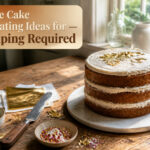
A table top cake is a 6- to 8-inch confection placed at each reception table, acting as both edible centerpiece and shared dessert. You and your guests slice and serve yourselves rather than watching a distant ceremonial cutting. Unlike traditional floral arrangements that sit as passive decoration, these domed creations are often preserved under glass cloches until service. They invite active participation through wire cutters or fishing line, transforming observation into a shared experience. Where a single towering cake demands one couple’s performance, table top cakes distribute the experience across the room, multiplying flavor possibilities like lemon curd genoise or chocolate torte while fostering intimate connections through the satisfying ritual of portioning sponge. You trade grandeur for warmth and spectacle for conversation.
Start Here: What Table Top Cakes Are (and Aren’t)

Why settle for one towering centerpiece when you can arrange a variety of sweetness across every table? A tabletop cake is your invitation to reimagine wedding tradition, placing a 6- to 8-inch confection at each reception table where it becomes both centerpiece and shared dessert. You’re not merely serving cake; you’re crafting an experience where guests gather, slice, and celebrate together. These domed cakes showcase multiple flavor profiles, perhaps lemon curd for your college friends and chocolate ganache for family elders, while keeping portions pristine. The concept transforms passive observation into active participation, as each table becomes its own intimate ceremony of cutting and sharing. You’re building connection through buttercream and creating belonging through bites.
Compare Table Top Cakes to Traditional Centerpieces
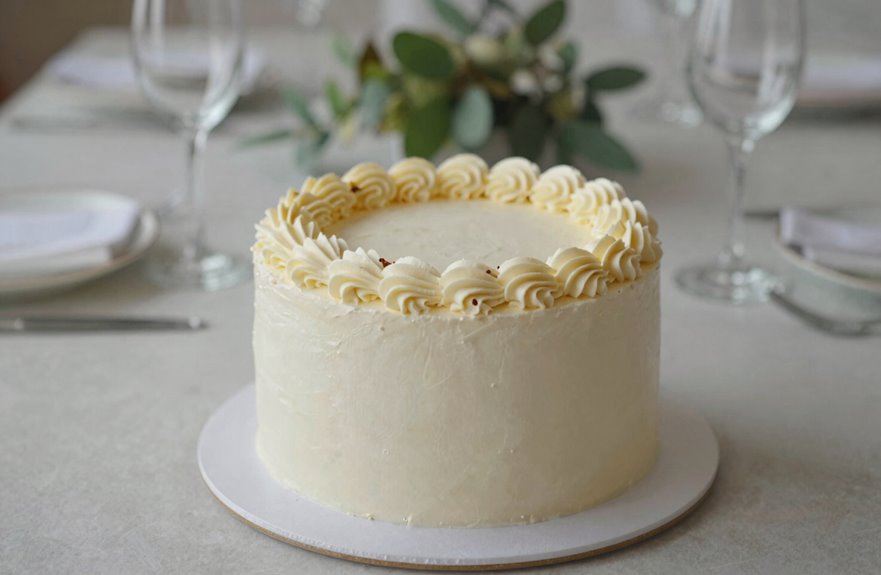
Where conventional centerpieces sit in silent, decorative isolation, table top cakes demand engagement, transforming each round of seated guests into participants rather than spectators. You’re not merely placing décor; you’re curating tabletop focal points that dissolve the boundary between ornament and sustenance, between observation and indulgence. Unlike traditional centerpieces, which linger untouched like museum artifacts, these edible centerpieces invite your guests to slice, share, and savor together, weaving communal ritual into the fabric of your celebration. You’ll discover liberation in offering multiple flavors. Perhaps lemon curd for your college friends and chocolate ganache for family elders. Each table becomes its own microcosm of taste and personality. Displayed beneath glass domes like precious specimens, these 6–8 inch creations stay pristine until the moment of revelation. Beauty and function need not compete but can rise together, layer by layer.
Is a Table Top Cake Right for Your Wedding?
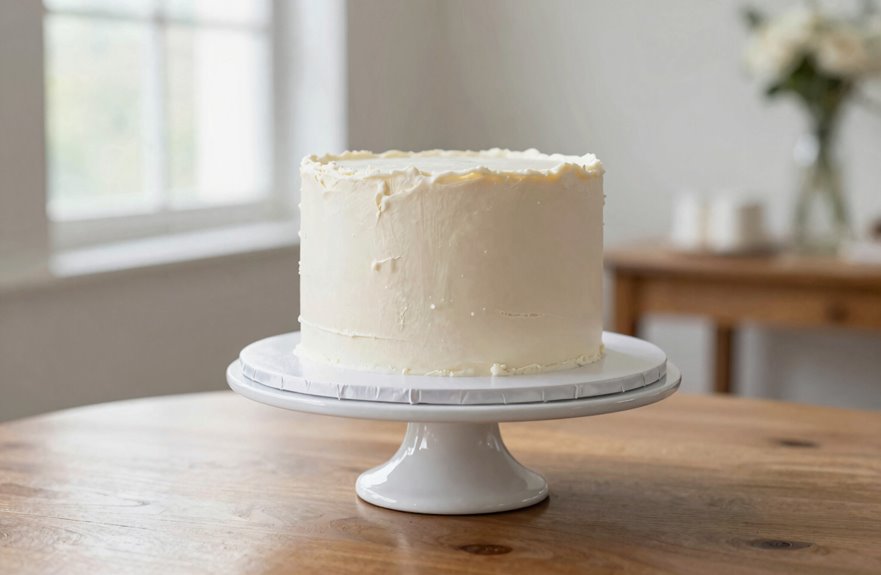
You’ll want to weigh whether your celebration prioritizes that intimate, shared moment where every table becomes its own stage for the cake-cutting ritual, or if you’d prefer the simplicity of a single focal confection. Coordinating with your venue’s service team, securing adequate real estate for domed displays alongside centerpieces, and deciding between staff-served portions or guest-driven slicing requires careful planning, similar to orchestrating synchronized kitchen service. If you’re drawn to the idea of multiple flavor profiles, perhaps a lemon curd-filled genoise alongside a flourless chocolate torte, while accepting the logistical requirements of timing, temperature, and transport, then this approach delivers both visual impact and genuine inclusivity.
Guest Experience Priority
How might your wedding reception transform when every table becomes its own stage for celebration? Your wedding cake becomes more than dessert. It becomes a gathering point, a shared ritual that draws your guests into something intimate and collective. Everyone participates in the same sweet moment, cutting and laughing together like family around a holiday table. This guest experience design creates belonging through participation, not observation. You place the knife in their hands and invite them into the ceremony. Self-serve slices extend that hospitality, letting guests determine their own pace while you reduce orchestrated service. The cake table becomes a conversation starter and memory maker, a little democracy of delight where no one waits, everyone shares, and your celebration multiplies itself across every table.
Logistics & Execution
Your guests have felt the warmth of gathering around their own cakes. Now you face the practical work of making this vision real. Coordinating tabletop cakes demands precise choreography between your baker, venue, and caterer, like conducting an orchestra where every instrument must synchronize. You’ll secure adequate table space. Those six-to-eight-inch focal points need breathing room. Lock in consistent flavors across your guest list, avoiding mismatched expectations. Your presentation shines when cakes rest beneath glass domes, cradled in precision-assembled arrangements that preserve moisture and visual appeal until the ceremonial moment. Whether you choose staff-cutting or self-service shapes your staffing needs, transforming potential complications into streamlined elegance. The logistics determine whether your centerpieces remain fresh and visually striking from setup through service.
Size Your Table Top Cake for 6 to 8 Guests
Why settle for a dessert that disappears the moment forks hit plates when you can create a centerpiece that commands attention throughout the evening? You’re crafting something intimate, a 6- to 8-inch tabletop cake that gathers your fellow guests like a hearth draws kindred spirits. Match your serving size to your guest count; six to eight souls seated together break bread and cake alike. You’ve chosen this diameter because it nestles perfectly among flowers and candlelight, neither dwarfing nor disappearing. Pre-portion your slices and plan the ceremony of the cut so each person receives their moment, their plate, and their connection. You’re reducing waste while amplifying presence, transforming a mere sweet into shared ritual. This is architecture of belonging.
Choose Self-Serve or Staff-Served Cake Service
Once you’ve settled on dimensions, you’re faced with a choice that shapes the rhythm of your evening: whether to place the knife in your guests’ hands or entrust it to trained servers gliding between tables. Self-serve cake service invites your community into the ritual, letting them cut their own portions after the ceremonial slice, like passing a shared story from hand to hand. Staff-served cake service, by contrast, orchestrates precision, with uniform wedges arriving like clockwork, each guest receiving equal measure without lifting a finger. Consider your venue’s pulse. Self-serve fosters intimacy but demands cake domes and careful plating to preserve moisture, while staff-served options maintain hygiene and momentum. A hybrid approach, perhaps designated cutters for the first pass followed by release to guests, lets you balance both belonging and elegance.
Pre-Cut Your Table Top Cakes Without Drying Them Out
Slicing the cake before your guests arrive transforms the final ritual into a silent promise of seamless hospitality, with each wedge waiting like a folded letter pressed between pages. You slice your table top cakes only moments before display, wielding a clean, sharp knife with pre-measured portions that ensure consistency while minimizing air exposure. Moisture retention demands you tightly re-cover each pre-cut slice with its original cake surface or brush a thin layer of edible glaze, then reseal beneath clear domes. When you label each portion with flavors and timing, your guests feel welcomed into your vision, never guessing at your careful choreography. Keep extra portions chilled off-site, ready to slide into place should any slice falter. You’re crafting belonging, one protected wedge at a time.
Pick Table Top Cake Flavors Guests Will Actually Eat
How do you guarantee that miniature cake waiting at each table becomes something guests reach for rather than admire from a distance? Start by curating flavors that whisper inclusion, not exclusion, across your table top cakes.
- You choose vanilla and chocolate as your culinary handshake, the familiar embrace that says “you belong here.”
- You weave in lemon, red velvet, and carrot as adventurous threads, inviting guests to discover something new alongside comfort.
- You label every flavor clearly, because nothing builds community like knowing what you’re sharing.
- You balance sponge lightness with mousse elegance, honoring dietary needs without fanfare.
- You match flavors to table themes, creating cohesive experiences where guest preferences feel seen, celebrated, and satisfied together.
Time Your Table Top Cake Cutting So Nothing Goes Wrong
When exactly should blade meet buttercream so your table top cakes don’t collapse into chaos? Orchestrate your cutting ceremony with precision by assigning each table a specific moment, designated cutter, and clear communication channels with your venue team well before the first guest arrives. Match your technique to the table cakes’ modest stature; six to eight inches demands steady hands and wire cutters for pristine, level slices that won’t topple. Shield waiting portions under cake domes to preserve that just-cut perfection. Build contingency planning into every layer: stashed backup slices, alternative cutters, and kitchen staff on standby transform potential disasters into seamless recovery.
| Timing Element | Execution Detail | Backup Protocol |
|---|---|---|
| Sequence assignment | Designated cutter per table | Alternative staff list ready |
| Diameter protocol | 6–8 inch stable slicing technique | Pre-cut portions in kitchen |
| Freshness maintenance | Cake domes between ceremony and service | Extra covered slices staged |
What Guests Really Think of Table Top Cakes
You’ll witness genuine delight when guests discover their own petite confection awaiting them, a mirror of the couple’s cake rendered in buttercream and fondant. You must also anticipate the occasional furrowed brow from traditionalists who miss the singular, spotlighted moment of a central cake cutting. Your challenge lies in orchestrating that synchronized slice across tables, transforming individual servings into a chorus of shared celebration while navigating the practical reality of whether your aunt reaches confidently for the cake knife or hesitates at self-service hospitality. When you balance immaculate presentation, perhaps gilded cake stands and pristine parchment sleeves, against the practical demands of portioning and plate clearing, you’re conducting a small symphony of social grace where every crumb and gesture shapes the collective memory.
Excitement Over Shared Moments
Why does a single ceremonial slice command so much attention when every table could become its own stage. Table top cakes transform your reception into a constellation of celebration, where each gathering becomes a micro-ceremony of connection. Through interactive cutting, you’re not merely feeding guests; you’re weaving them into the narrative, creating a shared moment that bridges strangers and kin alike. Your friends raise forks in unison, eyes meeting across linen-draped tables as they taste lemon curd or dark chocolate ganache together.
- Belonging blooms when you cut cake beside new friends, not apart from them.
- Conversations ignite as you compare buttercream textures table by table.
- Pride swells when you guide neighbors through their first ceremonial slice.
- Joy multiplies as laughter ripples outward, synchronous and unscripted.
- Memories crystallize in the shared sweetness of participation, not observation.
Self-Serve Comfort Levels
Those shared moments of collective cake-cutting, where strangers become conspirators in confection, naturally lead you to wonder how your guests will feel when the knife passes into their own hands. You’re balancing liberation with consideration, knowing that self-serve arrangements reduce staff demands while inviting everyone into the ritual. Most guests embrace this inclusive choreography, finding comfort in the democratic gesture of slicing their own portion, yet you’ll want to scan the room for hesitation. Some prefer the invisible safety of being served, so you’ll position plates and cutters with intuitive clarity, ensuring no one fumbles publicly. Consider the hybrid path: let staff orchestrate the ceremonial cut, then release your guests to claim their sweetness at will, weaving tradition with autonomy.
Presentation Versus Practicality
How do your guests truly experience the moment when cake arrives not as a distant spectacle but as an intimate centerpiece resting mere inches from their plates? You orchestrate this transformation through deliberate presentation, where each 6–8 inch confection becomes both edible art and communal invitation, though you must weigh whether self-serve elegance feels welcoming or awkward to your circle. Your coordination determines the rhythm: pre-cut slices signal abundance, while designated cutters preserve tradition’s grace. The tension between visual splendor and logistical flow asks you to read your room, balancing decorative cohesion with genuine guest comfort.
- You feel seen when beauty serves you personally, not from afar
- You crave belonging in shared, unscripted moments
- You hesitate when etiquette feels unclear
- You delight in details that whisper “we thought of you”
- You remember gatherings where care felt tangible
Avoid Table Top Cake Mistakes That Waste Money
Where exactly does your budget vanish when those carefully planned table top cakes somehow leave you with mountains of uneaten dessert and an empty wallet? You’re not alone in this struggle, and together we’ll master the art of waste reduction. Start with a two-tier approach that matches your guest count, sizing each cake to serve 12–24 slices so portioning feels effortless rather than excessive. You’ll pre-slice with wire cutters or fishing line, achieving clean, confident cuts that transform chaos into ceremony. Label flavors clearly, embrace uniform designs, and shield your creations with domes to preserve freshness and extend their service life. Finally, sync with your venue staff so service flows smoothly. These steps reduce waste, control costs, and ensure your guests enjoy fresh dessert without leftover inventory.