You transform a traditional pound cake into something genuinely nourishing by rethinking its fat architecture. Swap dense butter for olive oil and Greek yogurt, which creates moisture and a subtle tang while trimming saturated fat. Blend almond flour with all-purpose for tenderness without the usual heaviness, and slash sugar to about one-third cup so the lemon brightness can shine like sunlight breaking through clouds. Dairy-free milks, gluten-free 1:1 blends, and gentle mixing techniques let you adapt without sacrificing structure or crumb. The result balances indulgence with mindfulness. Technique, not just ingredients, redefines what dessert can be.
What Makes This Lemon Pound Cake Healthier (Without Sacrificing Taste)
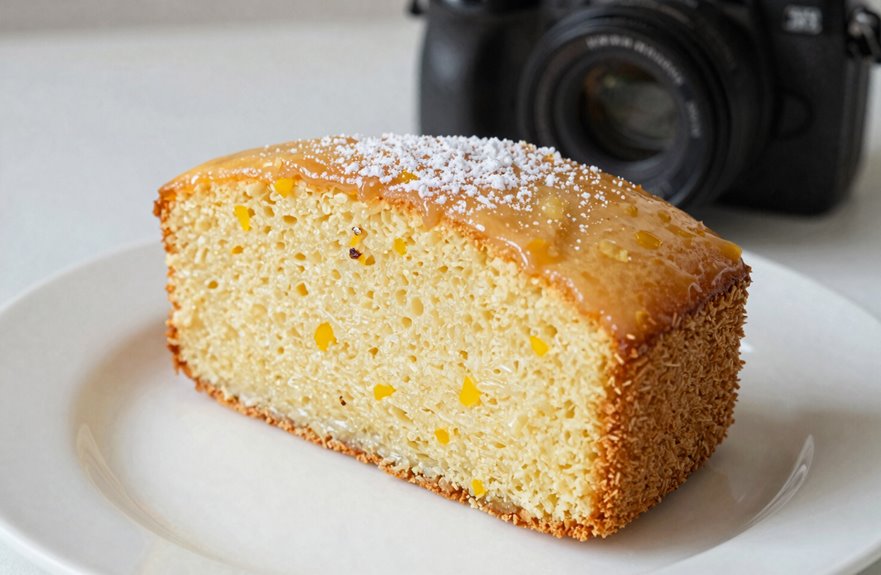
How do you transform a notoriously dense, butter-laden classic into something that won’t weigh down your afternoon. You reach for almond flour, blending it with all-purpose to build structure without the guilt, creating a moist crumb that feels indulgent yet stays low fat. You trade butter for olive oil, mixing in Greek yogurt; lactose-friendly options work beautifully. This combination tenderizes every bite with tangy richness. You’re reducing sugar to just a third cup, letting lemon’s brightness shine through. Baking powder lifts your loaf skyward at 350°F for forty to fifty minutes, resulting in golden perfection. You cool, then cascade lemon glaze across the top. That tart-sweet finish completes the transformation. You’re not sacrificing, you’re evolving.
Lemon Yogurt Pound Cake Ingredients and Key Substitutions
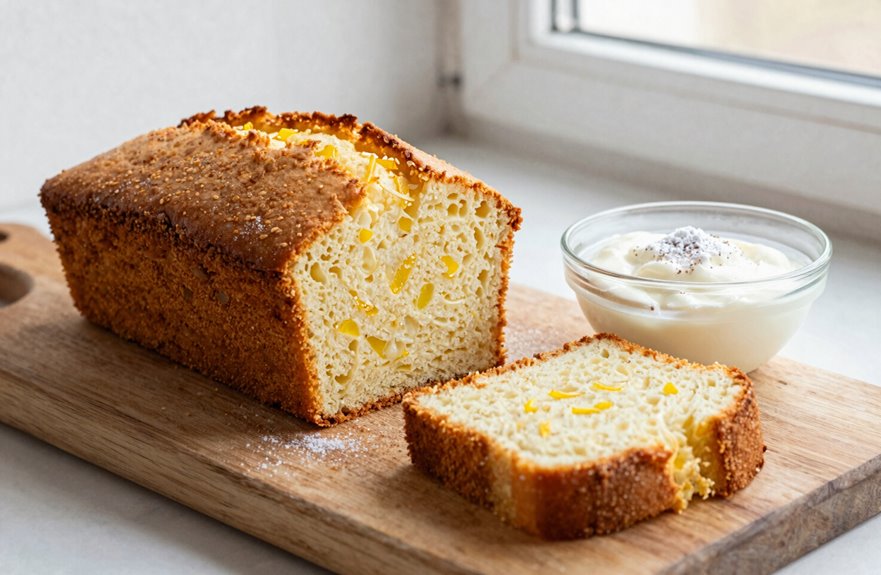
Why settle for a single path when building your Pound Cake Healthy masterpiece through creative adaptation? Each substitution represents a deliberate choice that honors both tradition and transformation. You craft your lemon yogurt pound cake foundation with all-purpose flour and almond flour, though gluten-free 1:1 blends work equally well. Your butter substitute, whether coconut oil or vegan butter, combines with 2% or 5% Greek yogurt to create a moisture alliance that prevents dryness. You’ll fold in lemon zest from two or three lemons, letting that citrus flavor permeate every crumb alongside vanilla extract’s warmth. Baking powder serves as your leavening agent, lifting the batter where baking soda cannot. Finally, you’ll whisk glaze from powdered sugar and fresh lemon juice, drizzling it across your cooled cake.
How to Make Healthy Lemon Pound Cake: Step-by-Step Method

You’ll begin by positioning your oven rack in the center and preheating to 350°F, then prepare your loaf pan by lining it with parchment paper, creating a foundation as essential as a chef’s mise en place. As you separately whisk your dry ingredients, the combination of all-purpose and almond flours with leavening agents, and emulsify your wet components where lemon zest releases its fragrant oils into sugar, eggs, and tangy Greek yogurt, you’re practicing the art of suspension. Keep gluten development at bay by mixing until ingredients are just incorporated, like a gentle handshake rather than a wrestler’s grip. Once your batter transforms in the oven’s dry heat for 40–50 minutes, achieving that coveted clean-toothpick finish, you can decide whether to glaze or not. Whisk powdered sugar with bright lemon juice until it flows like liquid silk over your cooled creation.
Prep and Mixing
Where exactly does the alchemy of a healthy lemon pound cake begin? You’ll discover it in the deliberate choreography of prep and mixing, where precision transforms humble ingredients into something extraordinary. Start by preheating your oven to 350°F and lining your 9×5 loaf pan, creating the foundation for successful baking. You’ll whisk together all-purpose and almond flour with baking powder in one bowl, then separately blend eggs, lemon zest, honey, yogurt, melted butter, and vanilla in another. The yogurt, whether you choose 2%, 5%, or even the leaner 0%, delivers essential moisture and a subtle tang that elevates this healthy pound cake beyond ordinary expectations. When you combine dry and wet ingredients, mix until just incorporated, preserving the delicate structure that promises tenderness without dense heaviness. The glaze itself awaits its moment in the next stage.
Baking and Glazing
Once your batter rests, silky and speckled with lemon zest, you’re ready to pour it into its final form. You’ve preheated your oven to 350°F, lined your loaf pan with parchment, and greased it well. Pour that golden mixture in, smoothing the top carefully. The bake time stretches 40–50 minutes, your kitchen filling with warmth. You’ll know it’s done when the toothpick test reveals a clean withdrawal, no wet crumbs clinging. Transfer to a cooling rack and let it cool completely.
For the lemon glaze, whisk powdered sugar with lemon juice, adjusting glaze thickness until it ribbons off your spoon. If too thin, add sugar; if too thick, add more juice. Drizzle over your cooled loaf, allowing it to settle into the almond flour crumb, and finish with zest.
Pan Sizes, Bake Times, and Testing for Doneness
How exactly do you transform a humble batter into that perfect golden loaf, dense with buttery richness yet tender enough to yield beneath your fork. You’ll begin with a 9×5 loaf, greased and lined, as your reliable foundation for pound cake success. Set your baking temperature to 350°F, the temperature where gradual, patient baking produces the best results.
Bake time stretches 40–50 minutes, though pan sizes shift this timing significantly. An 8×8 square, a 9-inch round, or an elegant bundt pan each requires different baking times. Doneness testing becomes your final step: plunge a toothpick into the center, withdrawing it clean. A clean toothpick indicates the cake is fully baked and will have the optimal moisture and crumb structure.
Dairy-Free and Gluten-Free Options That Actually Work
You can transform this classic into a dairy-free masterpiece by swapping butter for coconut oil or vegan butter, which creates that same rich, tender crumb you’re chasing, while dairy-free yogurt stands in beautifully for Greek yogurt to maintain moisture and structure. When you need gluten-free results, reach for a 1:1 gluten-free baking flour blend rather than almond flour, since the latter behaves like a rebellious student who won’t follow the recipe’s chemistry, leaving you with dense, disappointing results instead of the airy, fine-crumbed pound cake you’re building. Keep your technique sharp by mixing wet and dry ingredients separately, then combining with a gentle hand. Overmixing is a common failure point in gluten-free bakes. When you respect the process, you’ll pull from the oven a cake that rivals any traditional version. Dietary restrictions are creative constraints, not dead ends.
Dairy-Free Yogurt Swaps
Often, the most rewarding kitchen victories come from adapting beloved classics to meet your body’s needs, and transforming pound cake into a dairy-free, gluten-free masterpiece is no exception. When tackling yogurt swaps, you’ll discover that dairy-free yogurt, such as almond milk yogurt or coconut-based skyr, becomes your covert asset for moisture without the lactose. In dairy-free baking, these alternatives don’t sacrifice structure; they maintain your crumb quality. Pair your chosen yogurt alternative with a butter substitute, such as coconut oil, and you’re building a foundation that rivals tradition. Top your lemon pound cake with a dairy-free glaze of powdered sugar and citrus. These substitutions allow you to create satisfying desserts while accommodating dietary restrictions.
Gluten-Free Flour Blends
Once you’ve mastered the yogurt swap, the flour becomes your next frontier. Many bakers struggle here, watching their cakes crumble like ancient ruins. You won’t be defeated. Grab a gluten-free 1:1 all-purpose flour substitute, your new secret weapon, and measure it carefully and confidently. Almond flour tempts many, but you’re smarter than that; let it play backup, not lead, while gluten-free flour blends carry your gluten-free pound cake to success. Pair them with dairy-free butter, and you’ve unlocked dairy-free options that work well. When you’re baking with gluten-free blends, mix gently, like folding a love letter, preserving that tender crumb. In gluten-free baking, patience produces reliable results.
Butter Alternative Options
How do you capture butter’s magic without the dairy? Reach for butter alternatives that honor tradition while welcoming everyone to your table. For a healthy pound cake, coconut oil and vegan butter stand in admirably, though they shift the crumb’s density like a tide reshaping sand. Swap in dairy-free milks for richness, or embrace olive oil and avocado oil when you crave lighter, Mediterranean-inspired notes. Your dairy-free journey doesn’t sacrifice soul. Gluten-free bakers have options too; gluten-free 1:1 flour replaces all-purpose beautifully, while almond flour adds tenderness without carrying the full structural load alone. Watch your bake carefully, because substitutions change moisture’s timeline. You’re crafting belonging, one adaptable slice at a time.
Lemon Glaze: How to Make It (Or Skip It)
Whether you choose to crown your pound cake with a glossy lemon glaze or let its golden crumb stand unadorned, this final decision shapes both the dessert’s character and its nutritional profile. You’ll whisk powdered sugar with lemon juice, adjusting the ratio until you achieve your ideal glaze thickness. Thicker ratios create dramatic drips, while thinner ones produce a subtle sheen. This optional glaze transforms your cooling cake into a bakery-worthy showpiece, though you can reduce sugar by skipping it entirely. When you do glaze, sprinkle lemon zest atop the setting drizzle; those fragrant oils add citrus flavor to the dessert’s finish.
| Your Choice | What It Means for You |
|---|---|
| Full Glaze | You celebrate tradition, accepting sweetness as joy |
| Light Drizzle | You balance indulgence with mindfulness |
| Zest Only | You honor the cake’s essence, finding beauty in restraint |
| Bare Cake | You trust your creation needs no adornment |
Your pound cake, your rules. Each option produces a finished dessert.
How to Store and Freeze Pound Cake
Where does your pound cake’s journey end—on the serving plate, or in careful preservation for another day? Your leftovers deserve better than staleness, so tuck them into an airtight container where they’ll keep at room temperature or through refrigeration for four days. When longer storage calls, freezing becomes your option, though you must pause before adding glaze. That sugar coating turns brittle and weeps in the cold. Slice your unadorned pound cake first, a simple act of portioning that transforms future thawing into straightforward results. Wrap individual wedges and freeze for three months. When you’re ready to eat them, let them thaw at room temperature or overnight in the fridge. For optimal texture, rewarm slices briefly to restore their tender crumb.
Flavor Twists: Blueberry, Coconut, and Reader-Tested Variations
Once you’ve mastered the classic loaf and learned to preserve it with care, you’re ready to explore broader flavor variations on this familiar canvas. Fold up to 1/3 cup blueberry, fresh or frozen, into your batter for jewel-bright bursts that balance moisture without weighing down the pound cake crumb. For coconut variation, swap coconut oil for butter and shower in shredded flakes, letting tropical richness permeate each slice. Your fellow bakers rely on vanilla yogurt or Greek yogurt; their tang cuts sweetness while keeping that moist crumb intact through every stage of the bake. Add lemon zest when you incorporate berries or coconut, a bridge of brightness connecting old tradition to new invention. Treat mix-ins gently, folding until just combined; overworking risks dense, sunken results. This approach respects foundational technique while allowing room for creative variation.